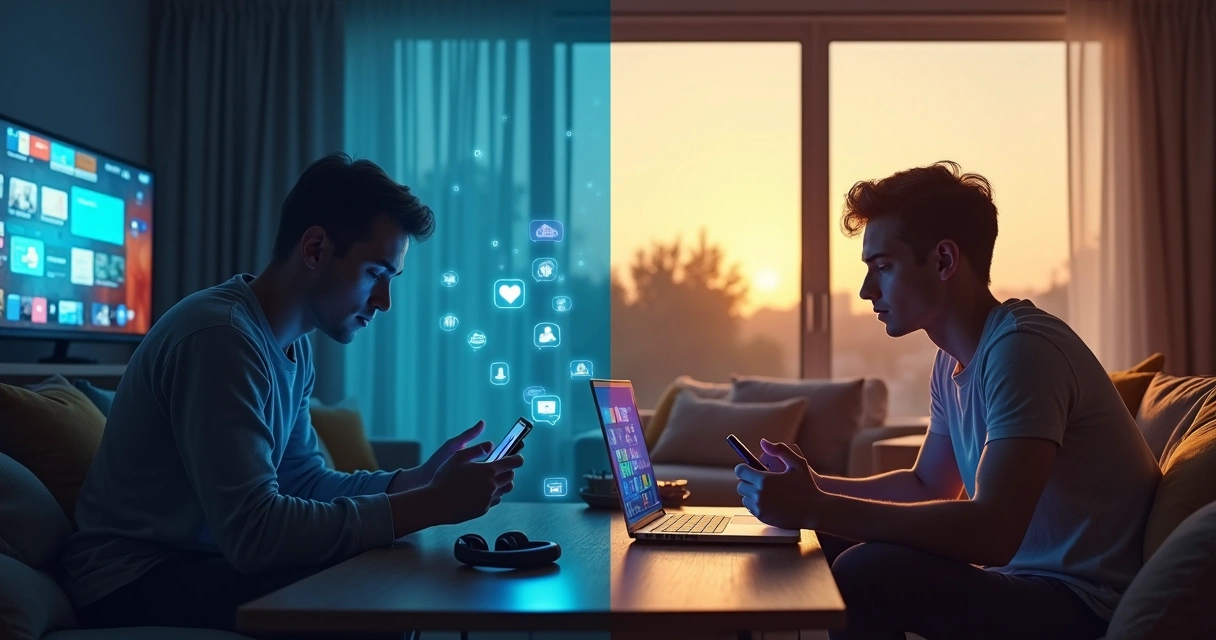
In a world of screens and endless notifications, we find ourselves pulled between distraction and introspection. One keeps our surface busy, the other asks us to look inside. Every day, we make this choice, often without even realizing it. Some days, distraction wins. Other days, introspection calls us back.
How digital life changed attention
We remember a time when quiet moments were easy to find. Today, our digital lives rarely give us that pause. Our phones, computers, and social media apps fill every gap. The line between activity and rest blurs, and our minds become cluttered with passing information.
Distraction has become so common that stillness can feel unfamiliar or even uncomfortable.
Unlike the distractions we faced in the past, digital ones are designed to never end. There is always one more video to watch, one more message to check, one more headline to read. This endless stream competes for our most precious resource: attention.
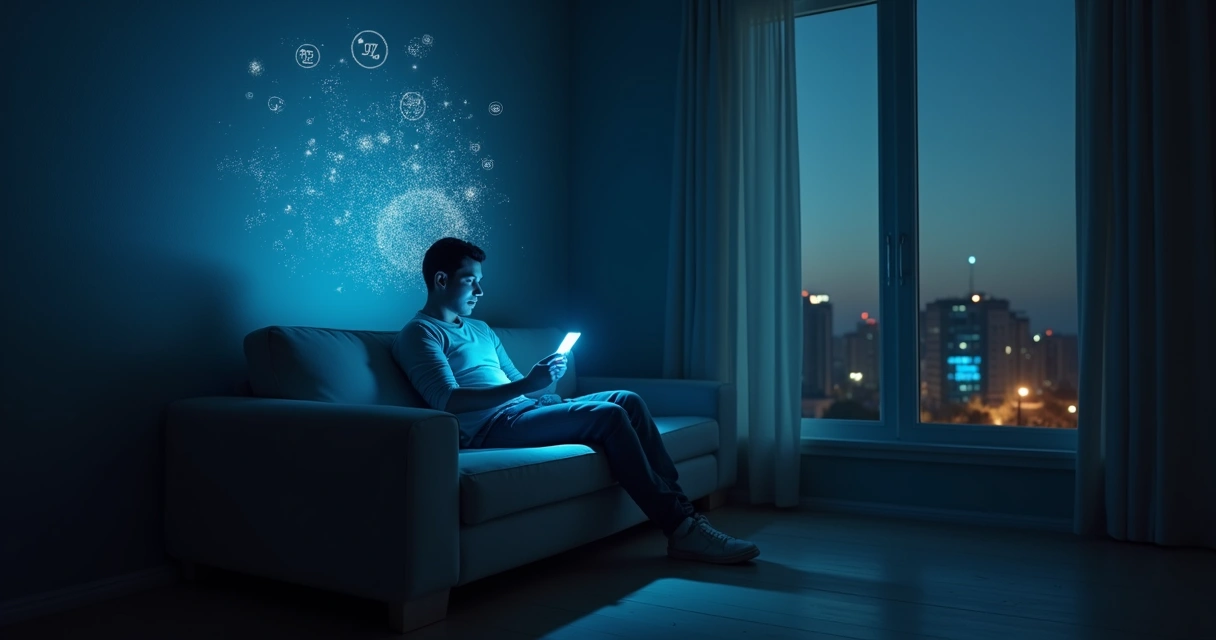
Distraction: hiding or coping?
We have found that digital distraction often promises relief. It feels like an escape from stress, boredom, or discomfort. But what are we actually running from? Scrolling through updates or seeking entertainment rarely brings real rest or peace.
- Distraction keeps difficult feelings at bay
- It delays uncomfortable decisions
- It creates a sense of busyness, even when nothing important is happening
Not all distraction is bad, but unconscious distraction keeps us from deeper growth.
When used with intention, distraction can offer recovery, inspiration, or new ideas. When used automatically, it can become a barrier between us and our own mind.
Why introspection feels challenging
Introspection asks something different. It invites us to slow down and pay attention to what is happening inside. But the modern world is not built for this pace. We may feel vulnerable when confronted with our thoughts, emotions, or memories—especially the uncomfortable ones.
Pausing for introspection means facing the unknown inside ourselves. That takes courage and persistence.
Real growth begins in silence.
We have seen that introspection is not about overthinking. It is about honest observation. It does not mean judging ourselves harshly, but understanding what moves us, what blocks us, and what helps us recover balance.
Digital era: accelerated cycles
Our digital environments shorten feedback loops. We can share, react, or consume immediately. This can create new patterns:
- Lack of boredom, which is often where creativity grows
- Impatience with slow or uncertain processes, including self-reflection
- Pressure to show a perfect version of ourselves instead of an honest one
Digital life offers us more choices, but also asks us to choose with more care.
It is easy to be swept along by the fast current of distraction. Introspection requires that we step out, even for a moment, and reconnect to what is meaningful.
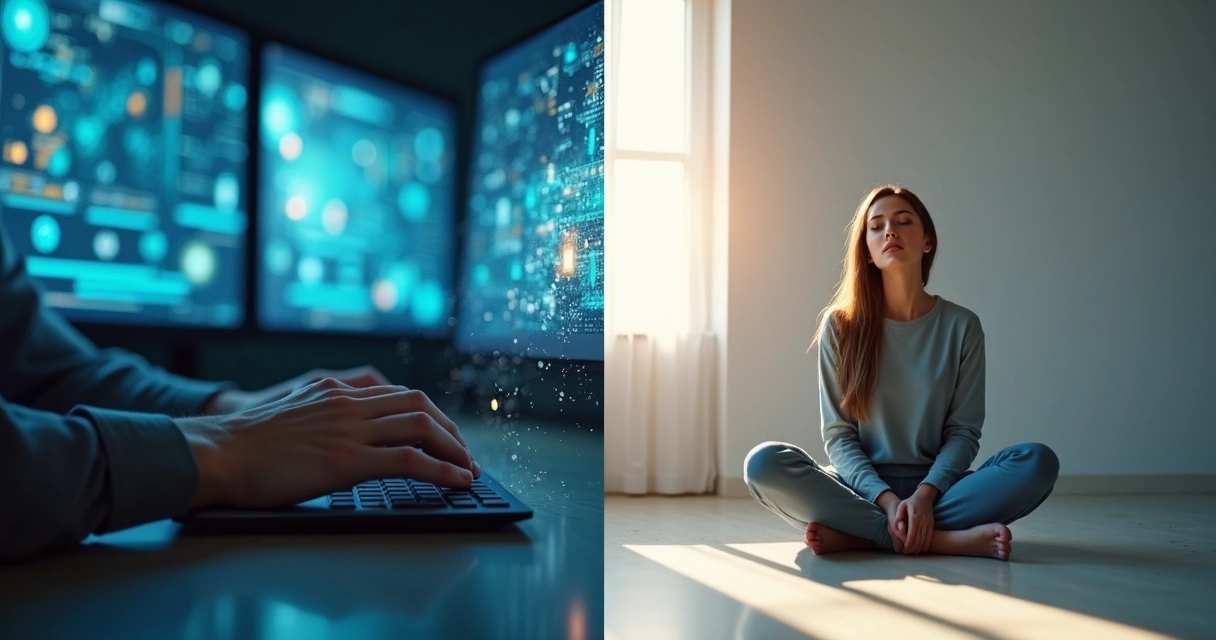
What wins? An inner choice
People ask which is better: distraction or introspection? In our experience, neither is the enemy. Each serves a purpose, but the difference lies in awareness and intention.
- Introspection fosters self-knowledge and clear direction
- Distraction can offer needed rest or renewal—if chosen mindfully
- Avoidance through distraction keeps us from genuine change
- Rigorous introspection without kindness can also trap us in self-criticism
When our days are filled only with distraction, we lose the thread of our own story. When we balance reflection with healthy forms of rest, we find better answers, and doors open inside us.
Building a conscious routine
We've seen transformation in those who make time for reflection, even in small moments.
Some practices that help include:
- Scheduling short pauses through the day, without screens
- Asking ourselves what we feel and why, before responding
- Choosing one digital-free quiet moment every evening
- Writing or recording short notes about thoughts or emotions
- Practicing being present when talking with family or friends
Small acts of introspection build inner clarity, day by day.
We have noticed that genuine introspection creates more energy, not less. It reduces the invisible fatigue of unresolved thoughts and feelings.
Systemic effects of distraction
We consider ourselves relational beings. When we are constantly distracted, our capacity for presence in relationships weakens. It can be felt in workplaces, families, and communities. Quick reactions replace thoughtful responses, and misunderstandings increase.
Systemic change begins when individuals reclaim their own attention. The ripple effect is real and measurable.
Our choices affect our mental health, our mood, and even our capacity for learning. Self-knowledge and consciousness are not isolated events, but ongoing practices that shape these outcomes.
Emotional maturity and responsible use
We believe that emotional maturity is linked to our ability to balance distraction with introspection. It is not about rigid rules. It is about honest intention. If we numb ourselves with distractions, we are less able to handle life's challenges constructively.
On the other hand, by bringing awareness to how and why we use digital tools, we build greater inner freedom. We are then able to respond instead of react.
You can read more about this interplay and emotional maturity in our resources on emotional maturity.
Steps for choosing awareness
We often suggest a few guiding questions for integrating introspection into digital life:
- Am I using this device or is it using me?
- How do I feel after spending time on this platform?
- What thoughts or emotions am I avoiding right now?
- Does this distraction bring me genuine relaxation or just numbness?
- How can I reclaim a few minutes for reflection today?
For those seeking ongoing growth, we recommend our content on personal growth and consciousness. Transformation is built over time, with each decision to pay mindful attention.
Introspection is not a skill for the few, but a door all can open.
Conclusion: The balance leads to growth
Distraction and introspection are not enemies, but forces that can be shaped by awareness. When distraction is automatic, it leads us away from self-understanding. When introspection is gently included in daily life, real change takes root.
We believe that the choice to notice, pause, and look within—even for a minute—can shift the balance toward more conscious, connected, and meaningful living.
Frequently asked questions
What is digital distraction?
Digital distraction is the ongoing interruption of our attention by digital devices, notifications, or online content. It often happens when we shift focus from one thing to another because of pings, messages, or tempting media, making it hard to concentrate deeply or reflect.
How can I practice more introspection?
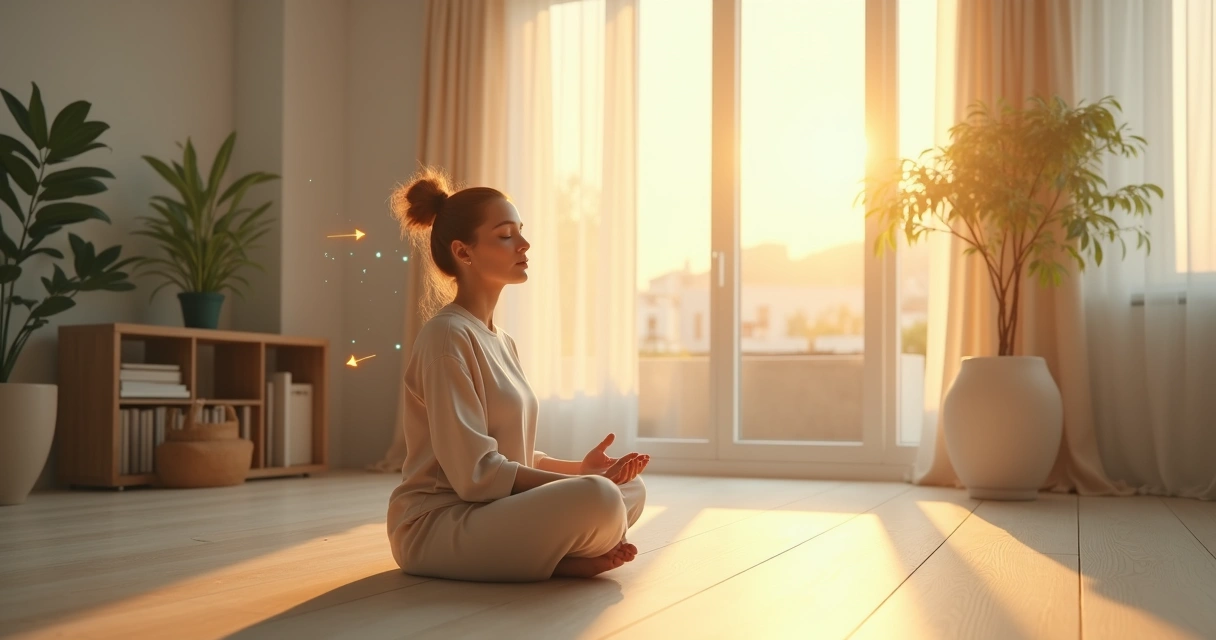
Practicing introspection means setting aside regular time to pause and notice thoughts, feelings, and reactions without judging them. This can be as simple as closing your eyes for two minutes, writing in a journal, or taking a short walk without any digital devices.
Is introspection better than distraction?
Introspection and distraction both have roles. Introspection helps us understand ourselves, while mindful distraction can provide needed breaks. The difference comes down to intention. Awareness of why we seek each one leads to healthier balance.
What are the risks of constant distraction?
Constant distraction makes it harder to develop self-awareness, emotional clarity, and sustained focus. It can also strain relationships, decrease satisfaction, and contribute to feelings of anxiety or confusion.
How to balance distraction and introspection?
You can balance both by setting boundaries on digital use and making small habits of introspection part of your day. This means choosing times for digital rest, asking reflective questions, and tuning in to what you need in the present moment.