

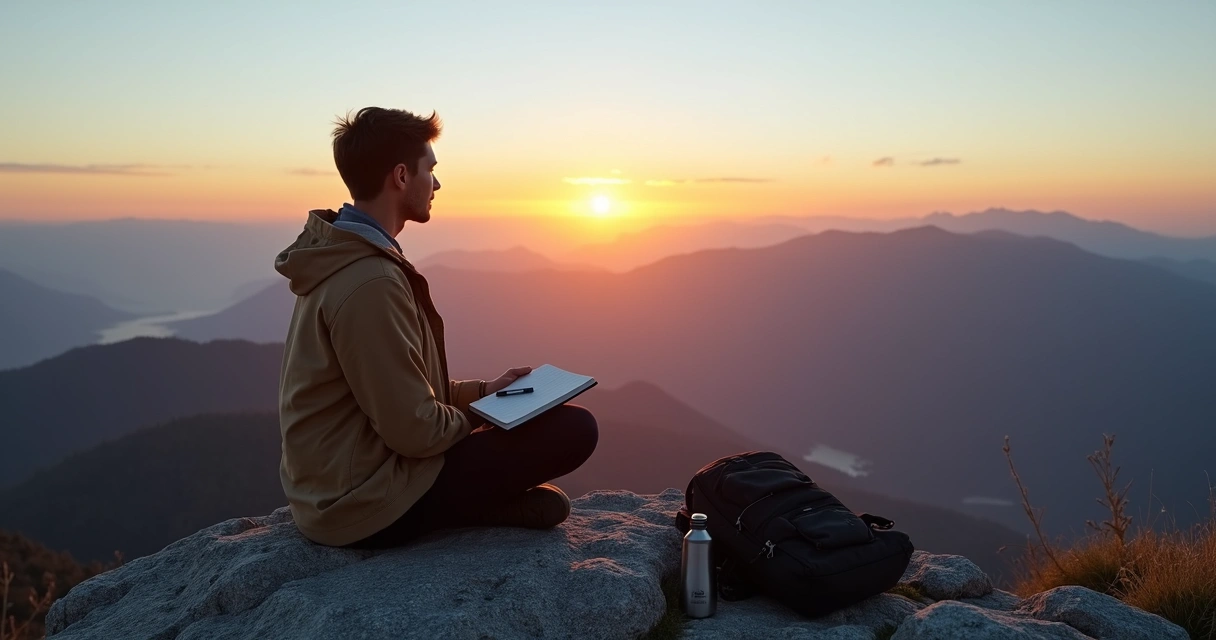
For years, we have seen gratitude attached to a simple task—make a list, write three good things, repeat. While that remains helpful for many, we have learned it is not the full story. True gratitude lives deeper, grows from real engagement with life, and shapes our perspective from the inside out.
We have witnessed that people seeking change often ask: isn’t there more than writing lists? The answer is yes. If you want gratitude to bring clarity, maturity, and balance to your life, try moving beyond the surface. Here, we share six new ways to train your perspective, drawing from real experience and reflecting on what helps people sustain transformation across changing contexts.
Redefining gratitude for modern life
Gratitude is not a shortcut to happiness. It is not only about feeling thankful for what’s easy or pleasant. We have learned that true gratitude is an attitude—an active, conscious choice to recognize value, meaning, and lessons in every experience. It asks us to look differently, to expand our awareness.
We treat gratitude as a practice rooted in personal responsibility and emotional maturity. It nurtures not only positive feelings but a clearer, more coherent vision of our own journey. That is how gratitude becomes sustainable and real.
Six new ways to train your perspective on gratitude
1. Practice situational gratitude
Situational gratitude challenges us to appreciate not just what is pleasant, but what is difficult yet valuable. Instead of dismissing struggles, we ask ourselves: what can I learn from this setback? Sometimes the most profound growth comes from what was unwanted, but necessary for our development.
Try this as you end your day: Take one challenge or frustration you faced and identify at least one lesson or inner strength that emerged. Doing this daily can rewire how you approach discomfort, making gratitude a presence in both light and shadow.
2. Engage in relational acknowledgment
Gratitude grows deeper when directed not only inward, but toward others. This is not about automatic thank-yous. Instead, we suggest consciously acknowledging the impact people have on us.
- Reflect on how someone’s actions (big or small) influenced your choices or feelings, even if the encounter was brief or imperfect.
- Send a short message, have a conversation, or simply pause to feel that appreciation inside you, recognizing the relationship’s role in your experience.
We find this strengthens bonds, builds empathy, and widens our relational awareness.

3. Use sensory mindfulness
Too much of our daily life passes in autopilot. To deepen gratitude, we recommend engaging your senses on purpose. Try this mindful method:
- Pause during an ordinary routine—like having tea, walking outdoors, or even washing your hands.
- For one minute, bring your full attention to each sensation: the color, scent, movement, and temperature.
- Allow yourself to feel curiosity and appreciation for this simple moment of existence.
By grounding ourselves in direct experience, gratitude becomes a lived and embodied practice, not just a mental exercise.
4. Reflect with conscious contrast
Sometimes gratitude requires a new lens. When our days blur, try reflecting using conscious contrast. Compare your present moment to a previous time when you lacked something you now have—or to a possible outcome you avoided.
- Think of resources, relationships, or personal qualities present now that were missing before.
- Notice how your story has shifted, and recognize the movement, even in small steps.
Gratitude lives in the space between where we were and where we are now.
This method builds perspective and reduces the tendency to take present progress for granted.
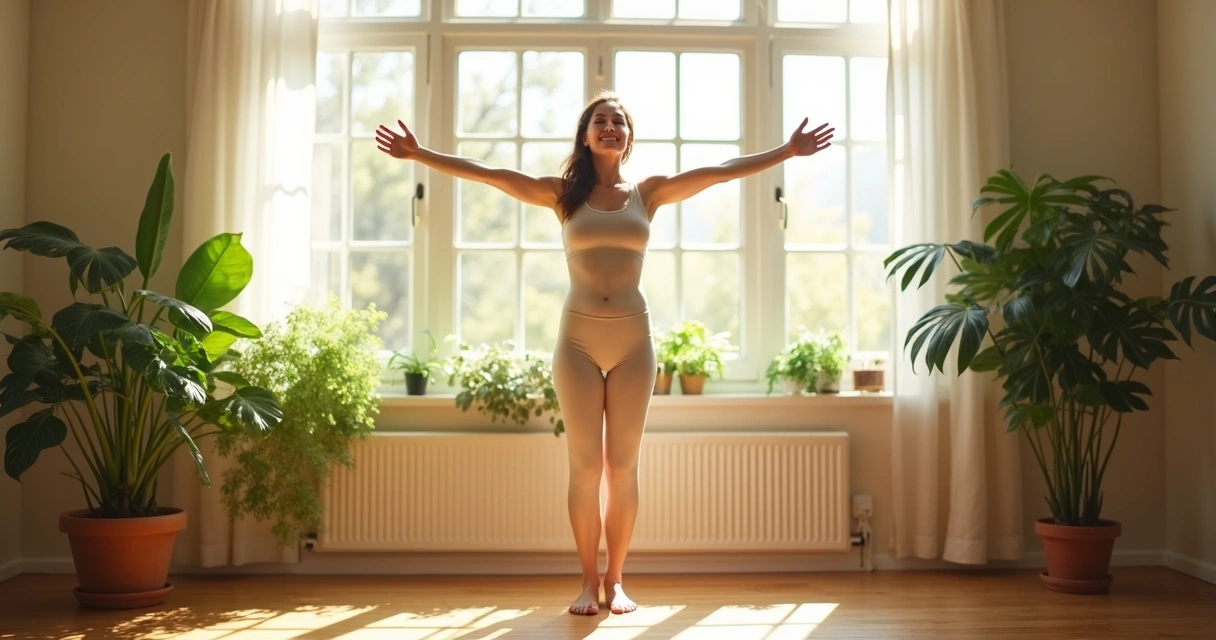
5. Ritualize gratitude through movement
Traditional gratitude often stays in our thoughts. We encourage bringing gratitude into the body. Ritualize it through simple movement:
- When something good happens, stand, stretch your arms, or step outside and breathe deeply—anchor the feeling with a physical gesture.
- After an achievement, pause to roll your shoulders back, lift your gaze, and acknowledge yourself with a smile or open posture.
These small rituals imprint gratitude physically, reinforcing it far beyond the written word.
6. Create a gratitude narrative
We think gratitude also flourishes in the stories we tell ourselves. Once a week, choose a recent situation—pleasant or uncomfortable—and write a short narrative about it. Focus on:
- How did your perspective change from the beginning to the end?
- What unexpected positive results or insights came out of it?
- What choices did you make that you now appreciate?
This allows us to become more aware of our inner journey, seeing gratitude as a thread woven through our personal story, even during difficulty.
Integrating gratitude with self-knowledge and growth
We believe that gratitude should never be forced or superficial. Instead, allow it to develop organically as you learn more about yourself and your history. This internal expansion strengthens emotional maturity, helping us make choices with greater coherence between intention and impact.
If you are interested in more ways to build on this work, we suggest reading resources focused on personal growth, understanding emotional maturity, and inviting greater self-knowledge. These themes connect directly to conscious gratitude practices.
You may also benefit from reflecting on your own patterns and experiences. For further inspiration, see the area on consciousness or use the search function to discover perspectives that match your current needs.
Conclusion
We have come to see gratitude as much more than routine. When practiced as a conscious lifestyle, it opens new possibilities for inner balance, behavioral coherence, and connection with the present moment. The six methods above are not just alternatives to lists—they are invitations.
Gratitude grows as our perspective expands.
When gratitude is woven into daily living, it helps us see ourselves and our reality with greater clarity, depth, and compassion. That is why we encourage everyone to find their own path with gratitude, approaching it as both a discipline and a discovery.
Frequently asked questions
What are new ways to practice gratitude?
Some new ways we have found include situational gratitude, relational acknowledgment, sensory mindfulness, conscious contrast, gratitude rituals through movement, and narrative writing. Each of these invites us to interact with gratitude in a more personal and meaningful way.
How can I train my perspective daily?
We suggest picking one gratitude practice from those listed and weaving it into ordinary routines. For example, try sensory mindfulness while drinking coffee or reflect on conscious contrast before bedtime. The daily repetition of noticing value, even in small things, gradually shifts how we see our world.
Is gratitude more than making lists?
Absolutely—gratitude can go far beyond just writing lists. It involves a conscious recognition and appreciation of life as it unfolds, both in ease and challenge. By acknowledging lessons from difficulties, giving thanks through movement, and creating gratitude stories, we make gratitude a dynamic part of our experience.
What benefits do gratitude practices offer?
We have observed that gratitude practices build emotional resilience, inner balance, and more positive relationships. They also often lessen stress and support a sense of satisfaction, even when life is unpredictable. Gratitude can nurture genuine contentment and help us respond to circumstances with maturity.
How can I make gratitude a habit?
Choose one approach that feels real for you—maybe a quick daily pause, a physical ritual, or regular narrative writing. Commit to consistency but allow yourself flexibility. When gratitude is integrated with awareness and intention, it begins to take root as a lasting habit.