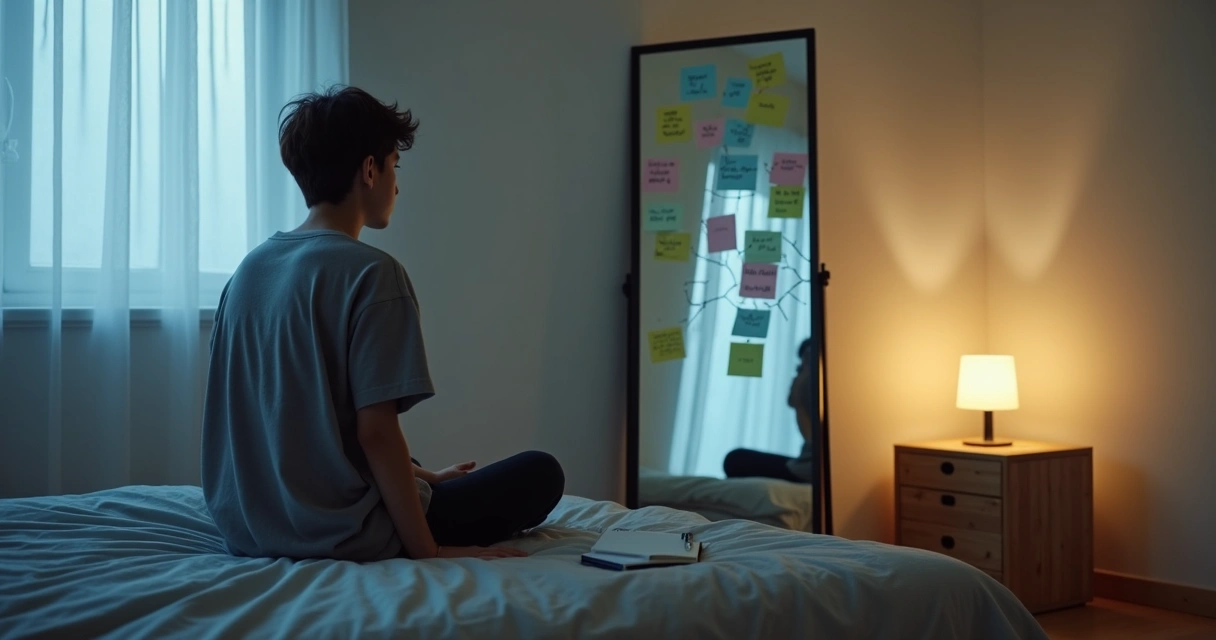

Stress affects each of us in personal ways. Some people reach out, others pull in. What might seem like a simple urge to be alone at a difficult moment often carries layers of meaning beneath the surface. By paying close attention to when and why we isolate ourselves during stress, we can learn about hidden beliefs, habits, and emotional patterns that shape our lives.
Why do we isolate under stress?
It starts with a feeling. Stress rises, and we instinctively look for safety or control. For many, this means withdrawing from others—physically, emotionally, or both. In our experience, reasons behind isolation can include fear of being misunderstood, the wish to avoid burdening others, shame around vulnerability, or a belief that self-reliance is the only answer.
Alone, we often feel safer, but not always stronger.
This automatic response is rarely random. The roots of why we isolate are often planted long before the current stressor appears. Tracing these roots can reveal patterns that are calling for our attention.
What do our isolation habits tell us?
When we step back from interactions in stressful times, we are not just seeking quiet. We are responding to learned patterns within ourselves. From our work with personal development, we see that these patterns can often be traced to childhood experiences, cultural conditioning, or even modeled behaviors from caregivers.
Isolation during stress is a window into the stories we tell ourselves about trust, support, and our own needs.
- Some of us learned to retreat because that was the way love or acceptance was earned at home.
- Others find comfort in solitude because it represents a space where emotions can be felt without judgment.
- The habit of pulling away can also reflect fears of rejection or disappointment based on past experiences.
When we notice our tendency to withdraw, we can use that awareness to ask: What am I trying to protect? What am I afraid of showing? Whose standard am I trying to meet?
Identifying the signals of stress isolation
Recognizing the signs that we are isolating under stress is not always straightforward. Sometimes, it takes the form of physical withdrawal: avoiding calls, skipping gatherings, or leaving messages unanswered. Other times, it is more subtle, such as putting on a “mask” of composure while internally shutting down.
We have learned to watch for these signals:
- Loss of interest in activities that were previously enjoyed
- Increased irritability when approached by others
- Difficulty sharing feelings, even with trusted people
- Negative self-talk or an urge to “handle it alone”
These patterns are not failures or flaws. Instead, they are invitations to get to know ourselves on a deeper level.
Underlying beliefs revealed by isolation
While the urge to withdraw can feel like a pure emotional reaction, it often rests on unexamined beliefs that have shaped our sense of self and our relationships.
We have consistently found that isolation during stress often reveals one or more of the following beliefs:
- “My emotions are a burden to others.”
- “People won’t understand or support me.”
- “If I show weakness, I will be judged.”
- “I must be strong for myself.”
These beliefs can lead to an internal script that repeats each time a challenge appears. When we become aware of those scripts, we gain the power to choose new ones.
The link between isolation and emotional maturity
Isolation can help us process feelings privately—sometimes, this is exactly what’s needed. Too much, however, limits our growth. True emotional maturity means being able to notice when we are shutting others out, understanding why, and deciding what would best serve us in that moment.
For those interested in building emotional maturity, we recommend studying patterns of isolation and seeing what they can teach. Emotional maturity practices often center around being honest with ourselves and choosing both self-care and connection, as needed.
Growth is found in the balance between solitude and togetherness.
Integration: How awareness seeds change
Isolation during stress is not an all-or-nothing state. Sometimes, more than one inner “self” is at play: one wanting connection, another demanding distance, a third seeking understanding. When we notice which aspect is strongest during isolation, we gain insight into our current needs and fears.
Acknowledging our urge to withdraw is the first step in transforming old, automatic responses into conscious choices.
We encourage strategies such as:
- Journaling about feelings during moments of withdrawal
- Sharing with a trusted person the impulse to isolate, even if connection feels uncomfortable
- Practicing gentle self-talk that makes room for imperfection
- Seeking spaces where vulnerability is met with respect
Building awareness is an ongoing practice, not a quick fix. Each episode of stress and isolation gives us fresh information about our needs and our possible next steps. These practices are at the heart of self-knowledge and inner growth.

Isolation, relationships, and systemic change
Our choices around isolation have effects that reach beyond ourselves. When we regularly withdraw under stress, relationships can feel strained, and misunderstandings may pile up. Over time, patterns of disconnect can spread through families, teams, or organizations.
Understanding and changing personal isolation habits is a step toward creating healthier relationships and even, in some ways, systemic change within communities. Resources on systemic change emphasize the value of conscious relationship with others—especially when times are hard.
It is possible to honor one’s need for quiet and privacy, yet still remain connected and honest with those around us. This dance requires both self-awareness and respect for others’ experiences.
Connection heals what isolation cannot touch.

Conscious choices: Toward healthier responses
Moving from automatic isolation to conscious engagement is about more than “forcing” ourselves to be social. It begins by noticing: What is happening inside me when stress rises? Is my retreating helping, or adding to my discomfort?
Each act of self-awareness breaks the cycle a little further.
In our experience, growth can come through small actions:
- Pausing to breathe when the urge to withdraw appears
- Checking if isolation is bringing relief or deepening pain
- Making a plan for handling the next stressful situation differently—sometimes reaching out, sometimes simply acknowledging the pattern
Resources on personal growth and consciousness can offer tools for self-inquiry and support, helping us replace worn-out scripts with responses that fit the present.
Conclusion
When we isolate during stress, we have an opportunity to see ourselves clearly. Our habits of withdrawal can point to stories, beliefs, and needs that have shaped us over time. By noticing, questioning, and gently working with these patterns, we can use stress not as a signal to hide, but as a moment to grow—choosing connection where possible, and self-understanding always.
Frequently asked questions
What does isolating during stress mean?
Isolating during stress means withdrawing from social contact, emotional sharing, or daily engagement when faced with stressful situations. This can be physical, like staying alone, or emotional, like hiding our true feelings.
Why do people isolate when stressed?
People often isolate under stress to protect themselves from perceived judgment, avoid burdening others, or because they have learned that solitude feels safer. Sometimes, it is a way to process emotions privately or try to regain a sense of control.
How does isolation reveal inner patterns?
Isolation during stress often highlights unspoken beliefs and habits shaped by past experiences. By noticing when and why we withdraw, we can uncover patterns like fear of vulnerability, a need for self-protection, or beliefs about trust and support.
Is it harmful to isolate under stress?
Short periods of solitude can help us regroup, but frequent or prolonged isolation may lead to deeper distress, strain in relationships, or stalled personal growth. The key is to balance self-care with healthy connection.
How can I break isolation habits?
Start by noticing the urge to withdraw, then reflect on what you are feeling and fearing. Try sharing your experience with a trusted person, set small goals for connection, or write about your emotions. Self-knowledge and gentle self-talk can help transform old patterns over time.