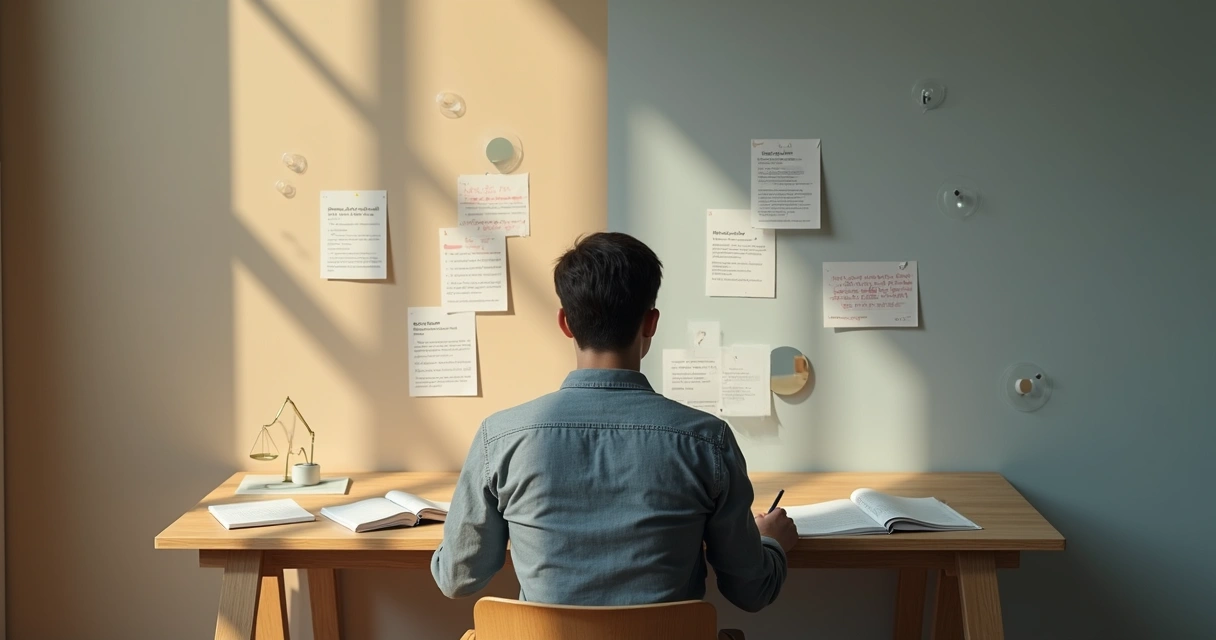
Feedback can be a turning point in our personal and professional lives. We often think we are open to it, but the reality is more complex. The way we view, process, and use feedback is shaped by biases that are usually invisible. When these biases sit unexamined, they quietly influence our thoughts, choices, and relationships. In our experience, truly using feedback as a lever for change requires us to unravel these silent influences—and to do so, we first need to recognize them.
Why feedback hits harder than we expect
We tend to measure ourselves by our intentions, while others assess us by our actions. This gap creates fertile ground for misunderstanding and disappointment. It’s easy to imagine feedback only as praise or criticism about our results, but it is often much more—a reflection of how others experience our way of being.
Stories linger in our heads. We can recall the sting of a single harsh word or the hope sparked by honest encouragement. In our interactions, most people say, “I want honest feedback,” but deep down, there's a silent wish that the feedback will align with their self-perception. When it does not, discomfort rises.
Truthful feedback challenges our comfortable narratives.
To move toward self-knowledge and maturity, we must become aware of the hidden biases that mediate feedback. Let us highlight seven of the most overlooked ones.
1. Confirmation bias
Confirmation bias is the habit of favoring information that confirms our existing beliefs. When we receive feedback that matches our view of ourselves, we welcome it. When it conflicts, we dismiss or question its accuracy.
Suppose we believe we are supportive leaders. If feedback says otherwise, we may explain it away: “That person misunderstood me,” or “They don’t see the full picture.” We filter information to protect our self-image.
We have observed that this bias limits our chance to see new aspects of our behavior. To grow, we need to review not just what fits, but what stands out as different.
2. Attribution bias
When evaluating feedback, attribution bias leads us to attribute successes to our inherent qualities (“I’m talented”) and failures to external factors (“That wasn’t my fault”).
This split has consequences. Positive feedback feels justified. Negative feedback often seems unfair. This bias keeps us from addressing patterns in our attitudes or actions that may truly need attention.
3. Defensive reasoning
Defensive reasoning happens when we react to feedback as if it were a threat. Instead of investigating the message, we rush to explain, justify, or counterattack.
This bias can take us away from genuine learning and toward self-protection. Defensive reactions make others feel unsafe to share their real impressions, and gradually, honest feedback dries up.
4. The halo and horns effects
The “halo effect” means we let one positive quality cover up our flaws. The “horns effect” is its twin, making a single shortcoming cast a shadow over our other qualities.

In our judgment, this happens often in group or workplace dynamics. One past impression shapes every bit of feedback, making it hard to see ourselves with clarity or to notice that different situations bring out different sides.
5. The illusion of transparency
We tend to believe our intentions, thoughts, and emotions are more obvious to others than they truly are. When feedback points out a problem in how we communicate or act, this bias whispers: "Surely they should know what I meant."
This illusion blinds us to the gap between intention and perception. Only by listening—without assumption—can we learn how we actually come across to others.
6. Negativity bias
Evolution shaped us to remember mistakes, criticism, or danger more strongly than positives. So, when we receive feedback, a single critical remark can outweigh five compliments.
We regularly see this bias create rumination, discouragement, or a desire to avoid feedback altogether. Yet, growth comes precisely from engaging with all feedback, not just the comfortable parts.
7. Status quo bias
Status quo bias inclines us to prefer things as they are. Any suggestion for change in our habits, communication style, or outlook feels unsettling, leading us to defend our current patterns.
This resistance can manifest as rationalizing why “this is just who I am” or downplaying the impact of how we show up. Awareness of this tendency is a first step toward embracing feedback as an invitation to evolve.

Feedback as a path to growth
Awareness of these overlooked biases can transform our relationship with feedback. We create more honest, respectful, and effective conversations when we are willing to name the filters through which we listen.
And as we reflect on these patterns, we open ourselves to new insights—about how we relate to others, how we view ourselves, and how we build the inner clarity and emotional maturity that support real growth.
For deeper perspectives on how feedback links to lasting change, we suggest the themes of personal growth and self-knowledge.
If you wish to understand the emotional roots of feedback and how to strengthen your ability to receive and give it, you may explore emotional maturity and consciousness.
And for those curious about building change in networks and groups, the topic of systemic change may also be relevant.
Conclusion
When we overlook bias, feedback becomes distorted and our potential for growth stays limited. As we notice and name these influences, feedback can become a map—not just to better results, but to a more authentic relationship with ourselves and others. Each conversation then becomes less about approval, and more about understanding.
Feedback, when seen without bias, becomes a source of true transformation.
Frequently asked questions
What is feedback bias?
Feedback bias is any mental filter or assumption that distorts the way we give, receive, or interpret information from others about our behavior or results. It shapes what we hear, how we respond, and what we choose to remember, often without our awareness.
How can I spot my own biases?
Spotting bias starts with self-reflection and curiosity. Notice your emotional reactions to feedback—do you feel defensive, eager to justify, or quick to agree only with certain comments? Patterns like discounting criticism or focusing only on praise are clues. Asking trusted peers for perspective and taking time before reacting can reveal hidden tendencies.
Why do biases affect feedback?
Biases shape feedback because they operate in the background, filtering information through our beliefs, emotions, and past experiences. This means we might ignore, distort, or misremember feedback that doesn’t fit our self-image, making it harder to see ourselves realistically or to improve.
How to reduce bias in feedback?
To reduce bias, approach feedback with openness and pause before responding. Write down what you hear, separate facts from interpretations, and explore the possibility that your first emotional reaction may not show the full picture. Practicing mindfulness, seeking multiple perspectives, and acknowledging your natural tendencies all help to temper bias.
Is it possible to remove all bias?
Completely eliminating bias may not be possible, as all humans have filters shaped by their history and context. However, recognizing and questioning those biases creates more honest and clear communication. Even partial awareness can foster better relationships with feedback and unlock deeper personal growth.